Aftercare in a Non-Sexual FLR: What It Looks Like
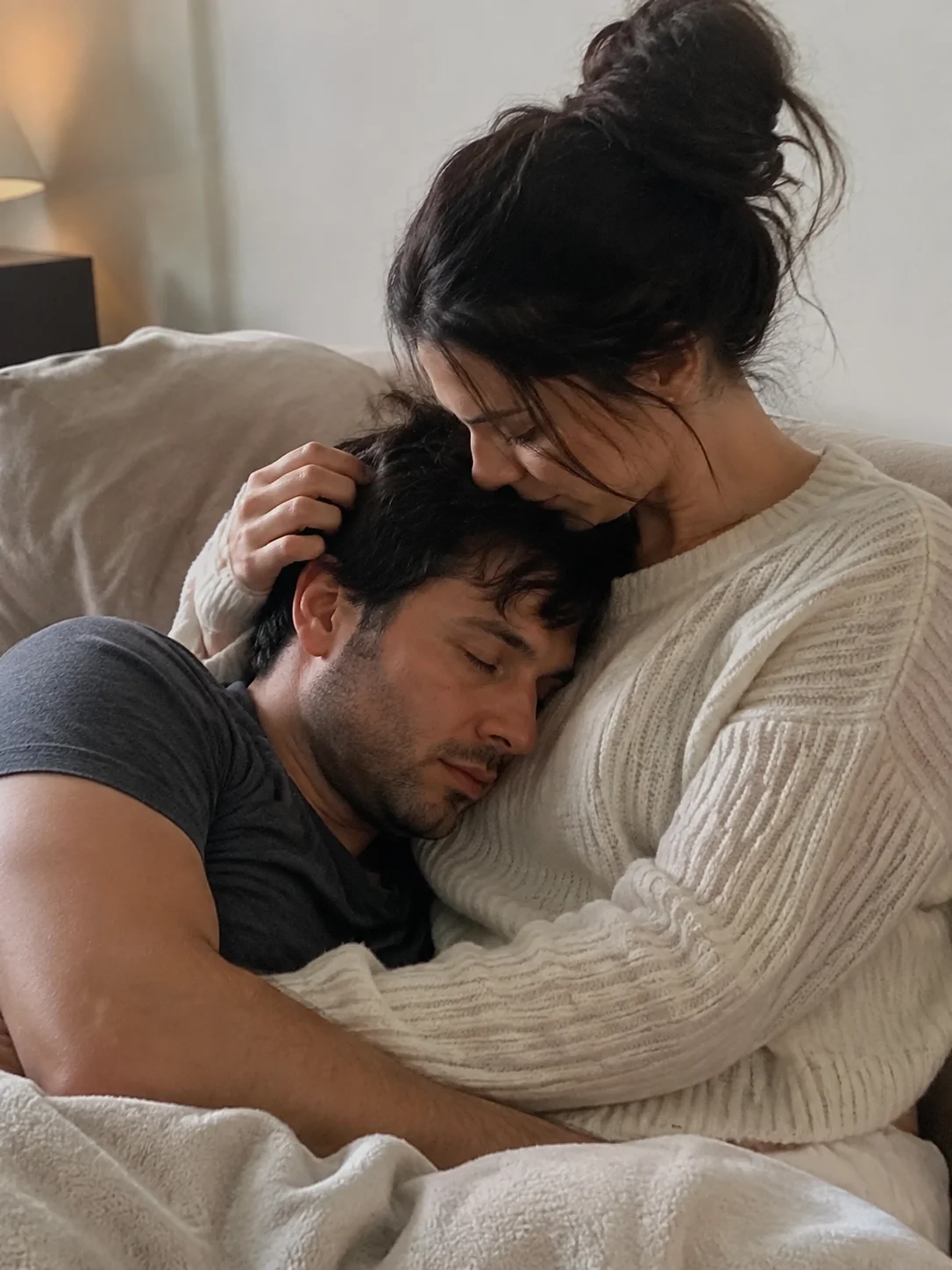
You had the hard conversation. She made the call, about finances, about boundaries, about something that shifted the weight between you. And now it’s quiet. Something feels unfinished, but neither of you can name it.
That unnamed thing? It’s the need for aftercare. And it doesn’t require a single piece of lingerie to matter.
Why aftercare belongs outside the bedroom
Most people encounter the concept of aftercare through kink education. It’s the check-in after intensity, the water, the blanket, the “are you okay?” that brings both people back to level ground. But aftercare was never only about physical acts. It’s about what happens to your nervous system, your emotions, and your sense of self after any moment of real vulnerability.
In a female-led relationship, vulnerability shows up constantly, and not where you’d expect. It’s in the Tuesday night conversation where she tells him his spending needs to change. It’s in the moment she delegates a task and he feels the weight of wanting to get it right. It’s in the decision she makes that he disagrees with but chooses to trust.
These moments carry emotional charge. Not because anything went wrong, but because power exchange, even the consensual, loving, Wednesday-afternoon kind, activates something deep. Ignoring that activation doesn’t make it disappear. It just makes it fester.
What “drop” looks like when nothing sexual happened
If you’ve been in the kink world for any length of time, you’ve heard of sub drop, that emotional crash that can follow intense scenes. What’s less discussed is that the same neurochemical process happens after emotionally intense relationship moments too.
He might feel it as a quiet withdrawal. A creeping sense of “did I give up too much?” A need for reassurance he can’t quite articulate. It might not show up for hours, sometimes not until the next morning, when he wakes up feeling oddly flat or anxious about something he can’t pinpoint.
She might feel it differently. The weight of having made a decision that affected someone she loves. A flicker of doubt: “Was I too firm? Does he resent me?” Leadership is powerful, but it’s also lonely when no one checks in on the person holding the reins.
Drop isn’t weakness. It’s biology responding to emotional intensity. And the antidote is the same whether the intensity happened in a scene or over a spreadsheet: intentional reconnection.
Five forms of non-sexual aftercare that actually work
Aftercare is personal, what grounds one couple might irritate another. But these five approaches come up again and again in FLR communities because they address the specific emotional textures of a power-led dynamic.
1. The debrief that isn’t a debate.
After a significant decision or a moment where her authority was felt, sit together and talk about how it landed. Not to relitigate the decision, that undermines the dynamic, but to name the emotions. “That was hard for me to hear, but I trust you” is aftercare. “I noticed you went quiet, what came up for you?” is aftercare. The goal is emotional honesty without power reversal.
2. Physical presence without agenda.
Sometimes aftercare is just being in the same room. Making tea. Sitting close. Not every emotional need requires a conversation, sometimes the body needs to register safety before the mind can process anything. If he tends to withdraw after intense moments, her physical proximity (without demanding he talk about it) can be the most generous thing she offers.
3. Verbal affirmation of the dynamic itself.
This one is underrated. After a moment where the power structure was visible, she set a boundary, she made a financial call, she corrected something, both people can benefit from hearing that the dynamic is still chosen. “I’m glad you trust me with this” from her. “I feel safe when you lead” from him. These aren’t scripts. They’re reminders that the structure is mutual, not imposed.
4. Scheduled check-ins, not just crisis responses.
The couples who sustain FLRs long-term almost always have some version of a regular check-in, weekly, biweekly, whatever rhythm works. This isn’t aftercare for a specific moment; it’s preventative aftercare. A standing space where either person can say “this part of the dynamic is working” or “I need something to shift.” When check-ins are routine, neither person has to manufacture a crisis to be heard.
5. Solo aftercare, for both of you.
Not all aftercare is partnered. He might need thirty minutes alone to journal or decompress after a week of high structure. She might need time where she’s not leading anyone, where she can be uncertain, messy, undecided without it affecting the dynamic. Giving each other space for solo processing isn’t distance. It’s respect.
The aftercare gap most FLR couples don’t see
Here’s the pattern that quietly erodes otherwise strong dynamics: aftercare flows in one direction.
In many FLRs, there’s an assumption, sometimes spoken, sometimes not, that aftercare is something she provides for him. He submitted, he was vulnerable, so he needs the care. And yes, he does. But she was vulnerable too. Leading is an act of exposure. Every decision she makes on behalf of the relationship is a risk, a risk that he’ll resent it, that she’ll get it wrong, that the weight will become too much.
If aftercare only flows downward in the power structure, she burns out. Slowly, invisibly, but inevitably. The most sustainable FLRs treat aftercare as reciprocal, different in form, because the dynamic isn’t symmetrical, but equal in priority.
He can provide aftercare for her by affirming her leadership after she’s made a tough call. By noticing when she’s carrying too much and saying so. By not waiting for her to ask for support, because a woman who has to ask her submissive partner to care for her is doing yet another piece of emotional labour.
How to build aftercare into your FLR (not bolt it on)
Aftercare shouldn’t feel like a separate task you add to the relationship to-do list. It works best when it’s woven into how you already operate.
Start by naming it. Most couples are already doing some version of aftercare, they just don’t call it that. The post-argument cup of tea. The “how are you feeling about last night?” text the next morning. The hand on the back when things get tense. Naming these moments as aftercare gives them weight and intention. It turns instinct into practice.
Then talk about what you each actually need. Not what aftercare “should” look like based on something you read, what genuinely helps you land softly after intensity. Some people need words. Some need touch. Some need space. Some need all three in sequence. The only way to know is to ask, and the only way to get it right consistently is to keep asking, because needs shift.
Finally, pre-agree on aftercare before the intensity happens. This is borrowed directly from kink best practice, and it translates perfectly to non-sexual FLR moments. Before a big financial conversation, before implementing a new rule, before any moment where the power dynamic will be especially visible, check in. “After this, what will you need from me?” It takes ten seconds. It prevents days of unnecessary distance.
The quiet thing that holds it all together
Aftercare isn’t glamorous. Nobody posts about it. It doesn’t make for dramatic storytelling. But it’s the infrastructure underneath every FLR that actually lasts.
The dynamic you’ve built, her leadership, his trust, the structure you’ve chosen together, that’s the visible architecture. Aftercare is the foundation. It’s how you make sure that the power exchange you both want doesn’t slowly become the thing that pulls you apart.
You chose this. Both of you. Aftercare is how you keep choosing it, not just in the big declarations, but in the quiet moments after, when the real relationship lives.